Double Chokepoint: The Capital Layer Reality Behind the Strait Closures

I spent the last 72 hours running a drill. It is the same one I once ran for a Fortune 200 board when a key supply route went dark overnight. Trace the break from source to balance sheet. Strip out the noise. Size the exposure.
What is happening right now across two narrow bodies of water calls for that same rigor from every sovereign who runs their own capital.
The situation, at its core:
The Strait of Hormuz carries 20% of global oil transit. Volume has dropped over 80% from pre-war levels. The cause: a full U.S. naval blockade on Iranian ports, set on July 14 (MDI, July 15). Iran declared the strait closed.
At the same time, Forbes reported on July 17 that Iran told Houthi forces in Yemen to prepare to block the Bab el-Mandeb Strait. That strait is the gateway to the Red Sea and the Suez Canal. Iranian Guard Corps staff are already in Yemen. They are timing the move.
If both passages shut down, every main oil export route from the Middle East goes dark at once. Forbes called it "an event with no modern parallel in global shipping." That is not spin. That is a fact.
What the media frames as a war story is, at the capital layer, a supply shock with no modern match.
| Metric | Pre-Escalation | Current Status | Source |
|---|---|---|---|
| Hormuz Transit Volume | ~20M bbl/day (capacity) | 🔻 Down 80%+ | MDI |
| Bab el-Mandeb Crude Flow | ~5.4M bbl/day (Q1 2026) | 🛑 Closure prep confirmed | Forbes |
| Brent Crude | ~$83 / bbl | 📈 $85.88 – $87.08 (rising) | Guardian, TimesNow |
| War-Risk Insurance | Baseline rates | 🚀 Surged 400%+ | MDI |
| Asia-Europe Freight (40ft box) | ~$3,500 | 📦 Projected $7,000+ (on reroute) | NationThailand |
Goldman Sachs projects Brent above $110/barrel if tanker blocks persist through the Persian Gulf (TimesNow, July 16). The IEA warned that a long Hormuz closure poses "a major risk to the global economy." These are not fringe voices. These are big risk desks adjusting in real time.
The math downstream is simple. U.S. wholesale diesel is already up $0.50 per gallon — a 20% rise year-to-date (Breakthroughfuel, July 17). That cost flows through every supply chain. Every made good. Every service deal that needs a truck.
For Individual Sovereigns holding capital in cash, bonds, or stocks tied to consumer-facing firms, this is not a story to watch. It is a repricing event to measure and act on.
Breaking news,
Apple just secretly added Starlink satellite support to iPhones through iOS 18.3.
One of the biggest potential winners?
Mode Mobile.
Just about everything Elon touches turns to gold:
- SpaceX IPO at $1.77T
- Tesla up 30,000% since IPO
- And now - every iPhone gets satellite access
But while Wall Street focuses on Apple, Mode Mobile is quietly positioned to capitalize on this global satellite revolution.
Their EarnPhone technology already:
- Reaches 490M+ users worldwide
- Helped those users save and earn $1B+ million
- Grew revenue 32,481%
And that was before global satellite coverage.
With Apple-SpaceX eliminating "dead zones" worldwide, Mode's earning technology can reach 3B+ unbanked people globally in rural populations worldwide.
We’re talking about emerging markets with no infrastructure.
And right now, you can still invest at $0.52/share before their potential IPO
Over 59,000+ shareholders have already claimed their shares and they’ve just secured the $MODE ticker from Nasdaq. The time to invest is now, before any potential IPO.
Invest in Mode Mobile and earn your stake in this $1 trillion industry.
Please read the offering circular and related risks at invest.modemobile.com . This is a paid advertisement for Mode Mobile’s Regulation A+ Offering.
Mode Mobile recently received their ticker reservation with Nasdaq ($MODE), indicating an intent to IPO in the next 24 months. An intent to IPO is no guarantee that an actual IPO will occur.
The Deloitte rankings are based on submitted applications and public company database research, with winners selected based on their fiscal-year revenue growth percentage over a three-year period.
Pro forma revenue and EBITDA, includes full year numbers of the businesses acquired throughout 2025.
The Intelligence Brief: Why Yields Are Rising Into a War — and What That Signals
Here is where sharp logic splits from retail confusion.
In a normal crisis, capital flows into government bonds. Yields fall. That is the textbook safe-haven trade. That is not what is happening.
The 10-year U.S. Treasury yield has climbed to 4.569% (WSJ, July 20). The 2-year yield — the tool most tied to Fed policy bets — pushed toward 4.2%. That is its highest since February 2025 (Investing, July 15). The 30-year yield has broken 5% (WSJ).
Germany's 10-year Bund yield hit 3.15%, its highest since May 2026. The 2-year Bund sits at 2.77%, pinned near two-year highs (Investing, July 16).
The reason yields are rising, not falling, is the single most vital signal in this entire event.
When a conflict shuts down the Strait of Hormuz, it does not trigger a flight to safety. It triggers an inflationary supply shock. Bond holders are selling Treasuries. They expect surging crude to keep the Fed hawkish — or force another rate hike (Investing, July 15).
Rate swap markets now price a 60% chance of one more 25-basis-point Fed hike before year-end. Danske Bank expects another ECB hike after the June 25bp move (WSJ, July 20).
| Yield Instrument | Current Level | Market Signal |
|---|---|---|
| U.S. 2-Year Treasury | ~4.20% | 📈 Fed hike odds rising |
| U.S. 10-Year Treasury | 4.569% | 🔥 Inflation premium growing |
| U.S. 30-Year Treasury | 5.00%+ | ⚠️ Long-duration risk repriced |
| German 2-Year Bund | 2.77% | 🏛️ ECB tight stance extended |
| German 10-Year Bund | 3.15% | 📊 Term premium at 2026 highs |
The Sovereign Directive here is clear. If your capital sits in long-duration bonds bought on the belief that rate cuts were near, you hold a tool that is moving against you. It is failing you at the exact moment you expected it to protect you. The conflict has overridden cooling CPI data. U.S. inflation already spiked to 4.2% in May before a brief ceasefire pushed energy costs down (Guardian, July 14). That ceasefire is dead.
Trump's new tech bill could put quadrillions (AD)
The single largest wealth shift since 1973 may be days away.
It's all thanks to Trump's new tech bill…
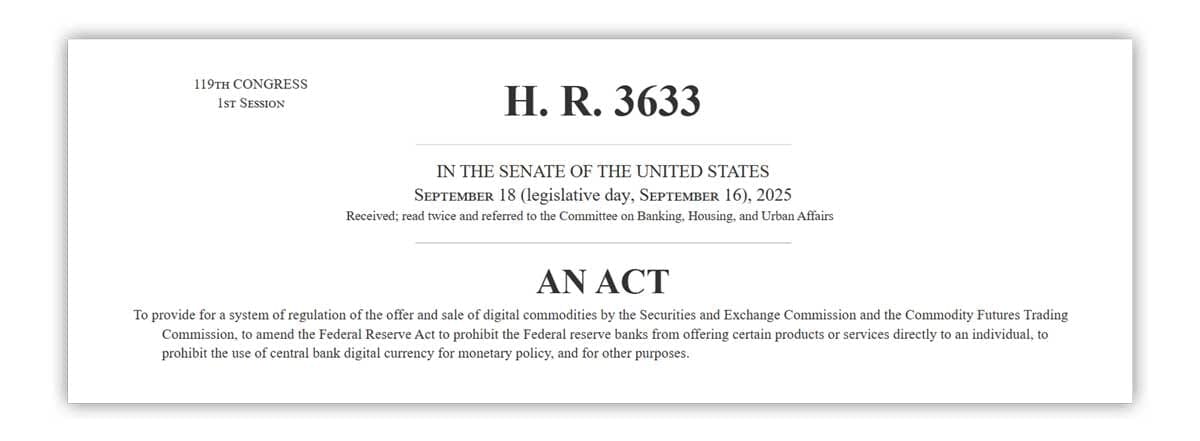
Which could put quadrillions of dollars in reach of everyday Americans...
The Sovereign Directive: Structural Positioning Against the Double Chokepoint
I do not publish panic. I publish action plans. Here is the assessment, cut to its core.
1. Know the Nature of the Threat.
This is not a single-factor event. Forbes named three stacking risk layers: Iran's escalation plan, Houthi strike power, and the fight for Sudan's Red Sea coast. The IMF projected global inflation rising to 4.5% in 2026. Those numbers came out before the current flare-up (NYT, July 15). Choice Broking estimates apparent demand of 900 million barrels for calendar year 202. That figure already baked in some disruption and a ceasefire (TimesNow). The ceasefire no longer exists.
2. Audit Your Inflation Exposure.
Every sovereign should review portfolio duration right now. Long-dated bonds are losing value as yields climb. Cash is eroding at a faster real rate. Consumer-facing stocks with thin margins and long supply chains — retail, apparel, food — face direct margin pressure. Freight costs may double (NationThailand, July 18).
3. Find the Structural Winners.
Defense stocks have already shown the capital flow. Lockheed Martin rose 3.37% to $676.70. RTX surged 4.71 to $212.16, hitting a new 52-week high (Kavout, July 19). The projected $1.5 trillion U.S. defense budget for 2027 is not a guess. It is fiscal architecture being built in real time. Energy firms, shipping firms with Cape of Good Hope routes, and select commodity producers sit on the right side of this repricing.
4. Track the Signals That Matter.
Forbes laid out the key data points: U.S. strikes on Iranian energy sites, AIS vessel routing near Port Sudan, Joint War Committee insurance rate shifts, and Suez Canal transit stats. These are your leading signals — not cable news talk.
The bottom line for Individual Sovereigns:
Both main oil routes from the Middle East are either closed or closing. Yields are rising into the conflict. The bond market has already priced what the stock market has not yet absorbed. This is a structural inflation event, not a passing headline.
Your cost of capital, your buying power, and your portfolio duration are all under direct pressure.
The right response is not worry. It is the same response any skilled turnaround director would run: size the exposure, cut what works against you, and shift toward the assets that gain from the new landscape.
The landscape has changed. Your capital posture must change with it.
In partnership with Behind the Markets
Trump goes "all-in" on Grand Canyon energy breakthrough
Because last June, a drilling crew working right near the Grand Canyon…
Unearthed a well of clean energy producing almost 8 times the output of the largest oil well in Saudi Arabia…
Capable of powering civilization for two million years.
Right here on American soil.
Go here now for the Grand Canyon breakthrough ticker>>
Disclaimer: This analysis is for educational purposes only and should not be considered investment advice. Always do your own research before making investment decisions.
Items marked with an asterisk (*) are promotional and help support this newsletter at no cost to readers.