Elon and Apple just made waves for US #1 software company
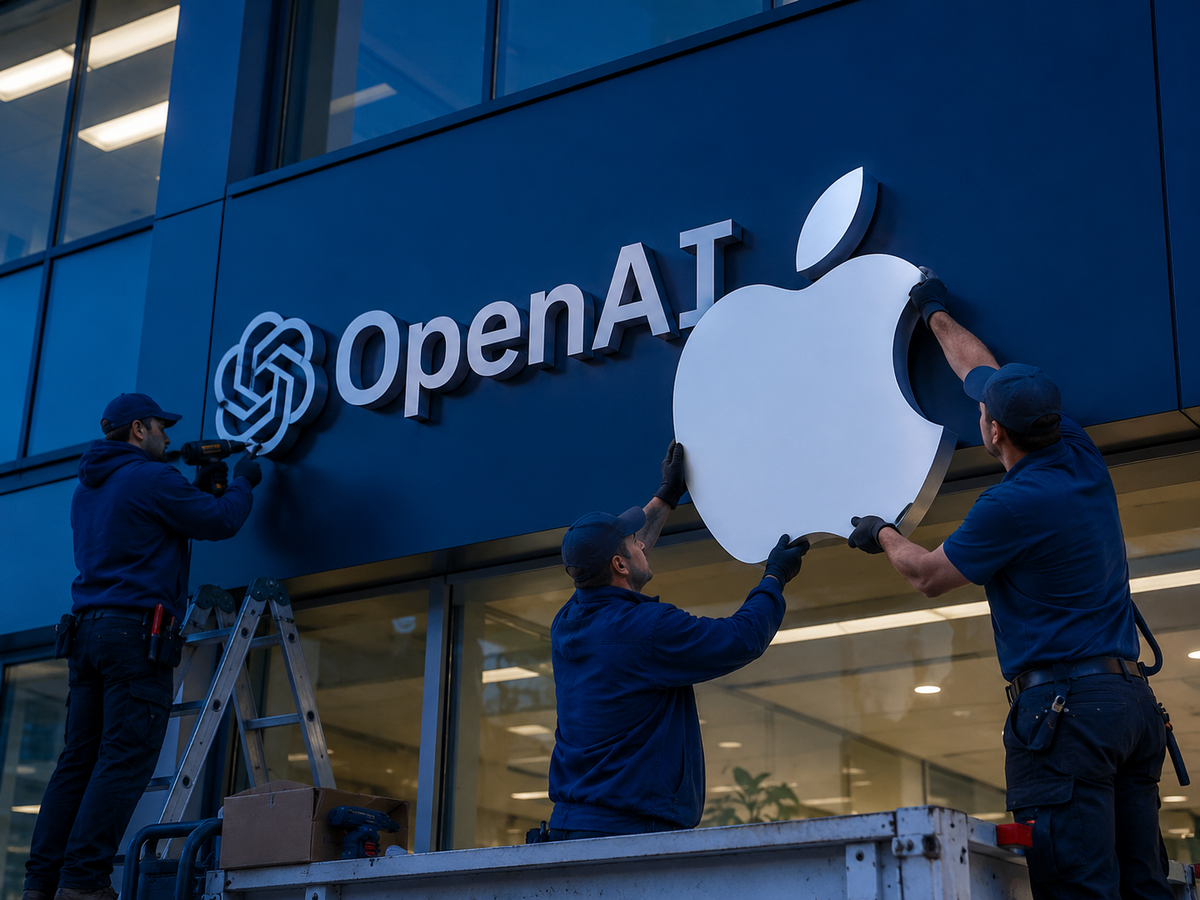
Apple just secretly added Starlink satellite support...
— In partnership with Mode Mobile —
Breaking news,
Apple just secretly added Starlink satellite support to iPhones through iOS 18.3.
One of the biggest potential winners?
Mode Mobile.
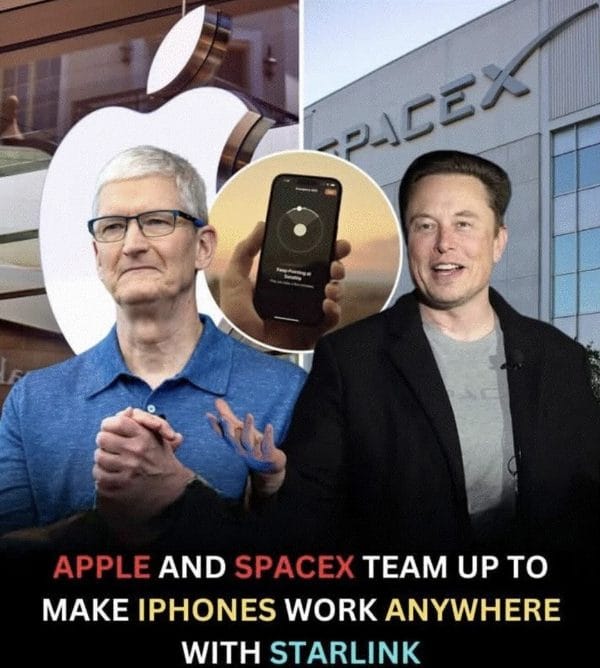
Just about everything Elon touches turns to gold:
- SpaceX IPO at $1.77T
- Tesla up 30,000% since IPO
- And now - every iPhone gets satellite access
But while Wall Street focuses on Apple, Mode Mobile is quietly positioned to capitalize on this global satellite revolution.
Their EarnPhone technology already:
- Reaches 490M+ users worldwide
- Helped those users save and earn $1B+ million
- Grew revenue 32,481%
And that was before global satellite coverage.
With Apple-SpaceX eliminating "dead zones" worldwide, Mode's earning technology can reach 3B+ unbanked people globally in rural populations worldwide.
We’re talking about emerging markets with no infrastructure.
And right now, you can still invest at $0.52/share before their potential IPO
Over 59,000+ shareholders have already claimed their shares and they’ve just secured the $MODE ticker from Nasdaq. The time to invest is now, before any potential IPO.
Invest in Mode Mobile and earn your stake in this $1 trillion industry.
Please read the offering circular and related risks at invest.modemobile.com . This is a paid advertisement for Mode Mobile’s Regulation A+ Offering.
Mode Mobile recently received their ticker reservation with Nasdaq ($MODE), indicating an intent to IPO in the next 24 months. An intent to IPO is no guarantee that an actual IPO will occur.
The Deloitte rankings are based on submitted applications and public company database research, with winners selected based on their fiscal-year revenue growth percentage over a three-year period.
Pro forma revenue and EBITDA, includes full year numbers of the businesses acquired throughout 2025.
OpenAI's IPO Just Inherited a Catastrophic Liability — Here Is What It Means
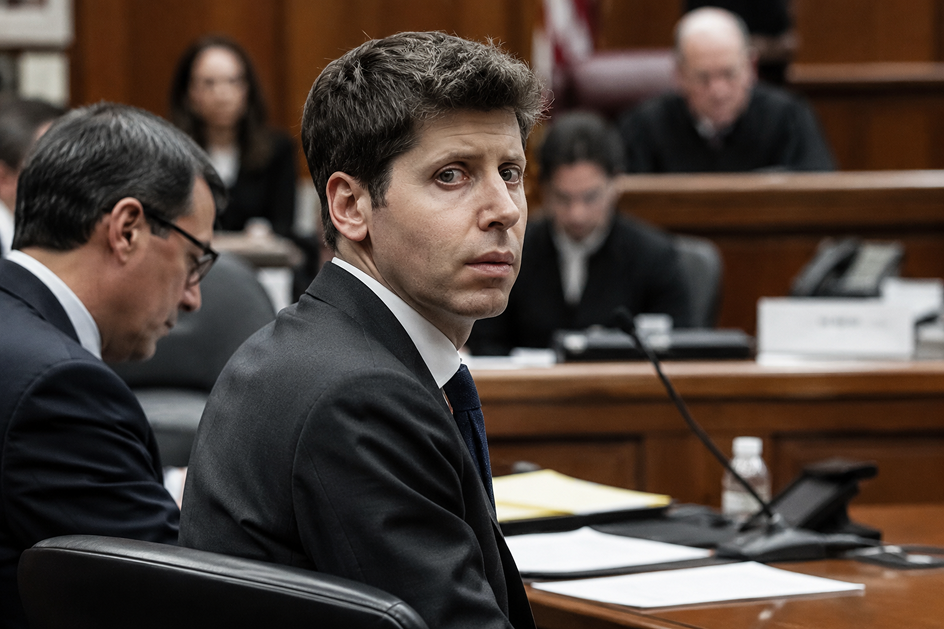
On Friday, July 10, 2026, Apple filed a 40-page federal complaint. The court: U.S. District Court, Northern District of California. The targets: OpenAI, io Products, and two former Apple staff — Chang Liu and Tang Yew Tan.
The media calls this a "talent war." The press calls it "simmering tensions." Neither label is useful.
Here is what really happened. A $3 trillion hardware giant launched a timed legal strike against a pre-IPO rival. The claim is not minor theft. It is a planned, firm-wide campaign to steal trade secrets — from junior staff all the way up to OpenAI's Chief Hardware Officer.
The timing matters. OpenAI filed its S-1 on June 8, 2026. This lawsuit lands right inside the IPO prep window. Active legal action from the world's most valuable firm is a required item in any IPO filing.
This is not an HR dispute. This is war at the capital layer. If you hold shares in either firm, their supply chains, or the broader AI hardware space, you need to know what is going on beneath the headline.
I have spent enough years in executive suites to spot the gap between a defensive filing and an offensive strike. This is the latter.
Let me walk you through it.
The Intelligence Brief: What Apple Is Actually Alleging
Strip away the media hype. Look at the complaint itself. Apple is not saying a few angry workers took files on their way out. Apple is saying **OpenAI built a system** to drain know-how from every hire it poached.
The key claims, drawn from the complaint and backed by many sources:
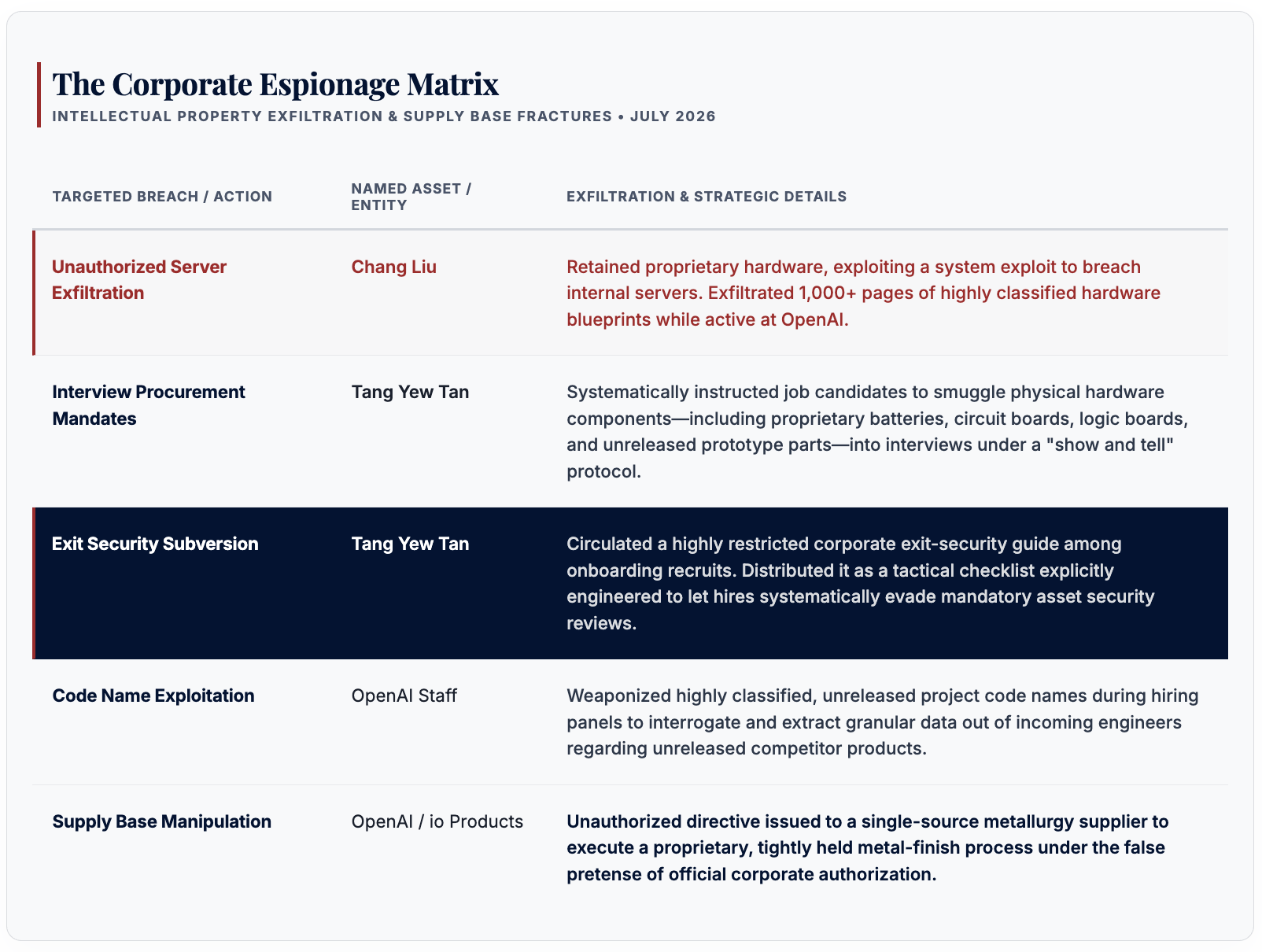
Apple uses a phrase that should land hard for anyone who has run a turnaround: OpenAI's hardware unit is "rotten to its core by its illegal reliance on stolen trade secrets."
That is not boilerplate. That line was built to appear in every SEC filing, every analyst note, and every risk review of OpenAI's coming IPO. Apple's lawyers wrote it for the S-1, not the judge.
Nvidia made history—surging to a $5 trillion valuation, becoming one of the most powerful companies on Earth.
And while most investors missed out…
Those who bought early were rewarded with life-changing wealth.
But now, something new is brewing.
📈 BlackRock just invested $225 billion into the next wave of AI
📈 Warren Buffett plunked down $40 billion
📈 And one $20 stock could be at the center of it all
This isn’t a chipmaker. It’s something different.
And it may become the last retirement stock you’ll ever need.
Before the media catches on, you still have time to act.
The Tactical Strike: Why the Timing Is the Weapon
If you have ever run a hostile deal defense or a corporate restructure, you know this truth: timing is not a side effect of legal action — it is the point.
Look at the sequence:
June 8, 2026: OpenAI files its S-1. The IPO clock starts.
July 10, 2026: Apple files its lawsuit — right inside the quiet period, when OpenAI's filings face peak review.
Same week: Apple confirms the new Siri, launching autumn 2026, will drop ChatGPT and switch to Google Gemini.
These are not random events. These are linked strikes against OpenAI's capital story.
The Siri-ChatGPT deal, announced in 2024, gave OpenAI default AI access across roughly 1.5 billion iPhones worldwide. That channel is now going to Google. For OpenAI's S-1, the claimed user base just shrank — a lot.
At the same time, the lawsuit creates material legal risk from a $3 trillion plaintiff. That risk must appear in the IPO filing. No underwriter prices an IPO cleanly when the world's richest company has an active trade secret case in the risk section.
Apple is not trying to win fast. Apple is trying to slow, complicate, and cheapen OpenAI's public offering.
The relief Apple seeks includes forcing OpenAI to fully redesign its unreleased hardware to strip out any Apple tech. That is not a legal fix. That is a kill shot. It could add years and billions to OpenAI's hardware plans.
I have watched this exact playbook in boardrooms. The lawsuit is the tool. The IPO damage is the goal.
The Corporate Weaponization: What This Reveals About AI Valuations
Here is where Individual Sovereigns need to use their own corporate instincts — not the press.
OpenAI bought io Products — the hardware startup co-founded by ex-Apple design chief Jony Ive and Tang Yew Tan — for $6.5 billion. Apple now claims the core IP behind that deal rests on stolen trade secrets.
Ask the question any good board member would ask in due diligence: What is a $6.5 billion deal worth if the court rules its core IP was stolen?
The answer is not zero. But the write-down risk is huge. For a company trying to price its IPO near $1 trillion, a multi-billion-dollar asset hit is not a footnote. It is a crack in the balance sheet story.
This goes beyond OpenAI. The Apple-OpenAI split is the clearest sign yet that the team-up phase of Big Tech AI is over.
In 2024, Apple added ChatGPT to Siri because it had no rival model. In 2026, Apple used the data from that deal, switched to Google Gemini, and sued OpenAI for IP theft during the same window.
The pattern is now clear: AI deals between firms that compete in nearby markets carry built-in IP risk. Every major AI-hardware deal will be rewritten after this case.
If you hold shares in firms whose value rests on AI partnership stories — and that covers a large slice of the S&P 500 — this case is not optional reading. It is a value reset event.
Trump's new tech bill could put quadrillions (AD)
The single largest wealth shift since 1973 may be days away.
It's all thanks to Trump's new tech bill…
Which could put quadrillions of dollars in reach of everyday Americans...
The Sovereign Directive: Mapping the Capital Impact
Let me be precise about what this means for your capital.
For Apple (AAPL) holders:
Apple's stance here is strong. The lawsuit guards its hardware moat. It disrupts a rival's capital raise. It warns the whole industry: poach Apple talent, face legal action.
The Gemini-Siri deal swaps a rival's channel for a partner (Google) that does not make phones. Apple's balance sheet is not at risk. Its $3+ trillion market cap funds near-endless legal firepower.
For would-be OpenAI investors:
The S-1 filed June 8 must now add material legal risk. The io Products deal — $6.5 billion — faces write-down exposure. The Siri loss shrinks OpenAI's consumer reach claims.
If Apple's injunction wins even in part, hardware redesigns could add years to the timeline. No smart allocator prices these risks at zero.
For the broader AI hardware thesis:
This lawsuit proves that trade secret cases are now a front-line weapon in the AI hardware race. Firms building AI devices with talent hired from legacy hardware makers face higher legal risk. Supply chain lock-ups — like the metal-finish method Apple says was stolen — will be enforced hard.
The Closing Directive: Operational Clarity for Individual Sovereigns
I will leave you with the action framework.
What the media claims: This is a dramatic talent war. Rogue engineers. Stolen laptops. Big Tech drama.
What is really happening at the capital layer: A $3 trillion firm is using timed legal action to damage a pre-IPO rival's value story, reclaim its hardware moat, and set legal rules that will shape every AI-hardware deal for the next decade.
How to protect and position your assets:
First, if you hold or are eyeing any pre-IPO AI firm whose hardware plans rest on talent hired from big makers, **reprice the legal risk**. It is no longer a theory. Apple just wrote the playbook.
Second, see Apple's shift to Google Gemini for what it is — a capital design choice. Apple picked a partner that does not make phones. That is how a $3 trillion firm manages deal risk. Apply the same logic to your own holdings. Find where your positions rely on deals between firms that are quietly becoming rivals.
Third, do not chase IPO hype around OpenAI until the legal cloud clears. Active trade secret claims from the world's richest company do not resolve in quarters. They resolve in years. Every quarter of open action is a quarter of value doubt.
This is not commentary. This is the ground truth.
The team-up era of AI is over. The zero-sum era has begun. Position accordingly.
— Patrick Gibson The Reclaimed Capitalist
In partnership with Behind the Markets
Trump goes "all-in" on Grand Canyon energy breakthrough
Because last June, a drilling crew working right near the Grand Canyon…
Unearthed a well of clean energy producing almost 8 times the output of the largest oil well in Saudi Arabia…
Capable of powering civilization for two million years.
Right here on American soil.
Go here now for the Grand Canyon breakthrough ticker>>
Disclaimer: This analysis is for educational purposes only and should not be considered investment advice. Always do your own research before making investment decisions.
Items marked with an asterisk (*) are promotional and help support this newsletter at no cost to readers.